Your Liver Is Already Doing the Job: The Science Behind Detox Claims and What Actually Keeps Your Organs Healthy

The Billion-Dollar Promise That Biology Never Made
Walk down the supplement aisle of any American pharmacy or scroll through your social media feed long enough, and you will encounter an overwhelming array of products promising to "detoxify" your system. Juice cleanses, herbal liver flushes, activated charcoal drinks, foot pads, and elaborate multi-week programs all share a common sales pitch: that your body accumulates harmful toxins and requires outside assistance to purge them. The global detox product market is estimated to exceed $60 billion, a figure that reflects the persuasive power of the concept rather than its scientific validity.
The fundamental problem with this premise is straightforward—your body already operates a sophisticated, continuously running detoxification system. It does not require periodic resets, expensive supplements, or restrictive liquid diets to perform this function. What it does require is consistent, evidence-based lifestyle support. Understanding the difference matters for both your wallet and your health.
What Your Liver and Kidneys Actually Do
The liver is arguably the most metabolically complex organ in the human body. It performs more than 500 distinct functions, and waste processing sits near the top of that list. When potentially harmful compounds enter your bloodstream—whether from food, alcohol, medications, or environmental exposure—the liver intercepts them through a two-phase biochemical process.
In phase one, enzymes called cytochrome P450s chemically alter these compounds, often making them more water-soluble. In phase two, the liver attaches molecular tags to these altered substances, rendering them ready for excretion. The end products are then passed either into bile, which travels through the digestive tract and exits via stool, or into the bloodstream for the kidneys to filter out through urine.
The kidneys, meanwhile, filter approximately 200 quarts of blood every single day. They regulate fluid balance, remove metabolic waste products like urea and creatinine, and maintain the precise chemical environment your cells require to function. This process is continuous, not cyclical. There is no biological mechanism by which toxins "build up" between cleanses, waiting for a juice fast to dislodge them.
The lungs, skin, and lymphatic system also contribute to waste elimination, though their roles are more specialized. Together, these systems form an integrated network that operates without interruption throughout your lifetime.
Why "Detox" Products Cannot Deliver What They Promise
Here is a question worth asking of any detox product: which specific toxin does it remove, and by what measurable mechanism? Reputable manufacturers cannot answer this question, because no credible clinical evidence supports the claim that commercial detox products enhance the liver's natural elimination capacity in healthy individuals.
A 2015 systematic review published in the Journal of Human Nutrition and Dietetics examined available evidence on commercial detox diets and found no convincing evidence that they remove toxins from the body or improve health. The researchers noted that the term "toxin" itself is rarely defined in marketing materials—a deliberate vagueness that makes the claims essentially unfalsifiable.
Activated charcoal, a popular ingredient in detox beverages and supplements, does have legitimate medical applications. Emergency physicians use it in hospitals to treat certain acute poisonings. However, consuming it in a morning smoothie does not selectively bind to unnamed dietary toxins—it can actually interfere with the absorption of prescription medications and essential nutrients, potentially causing harm rather than benefit.
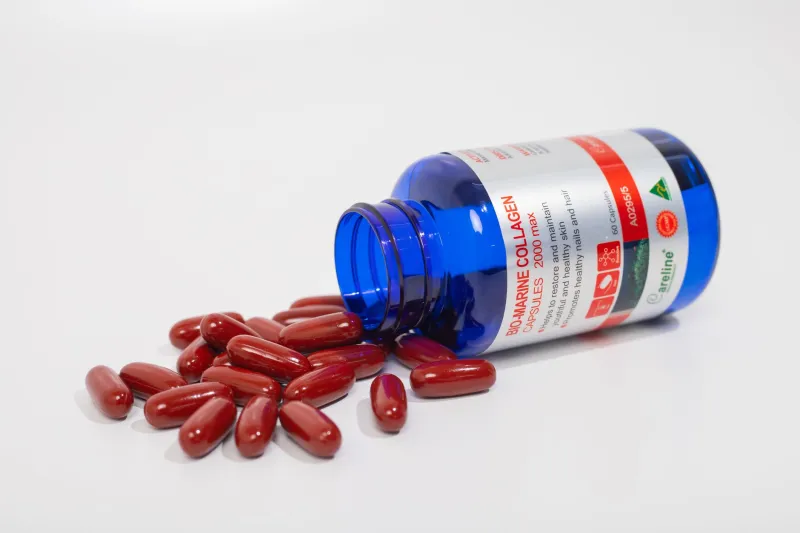
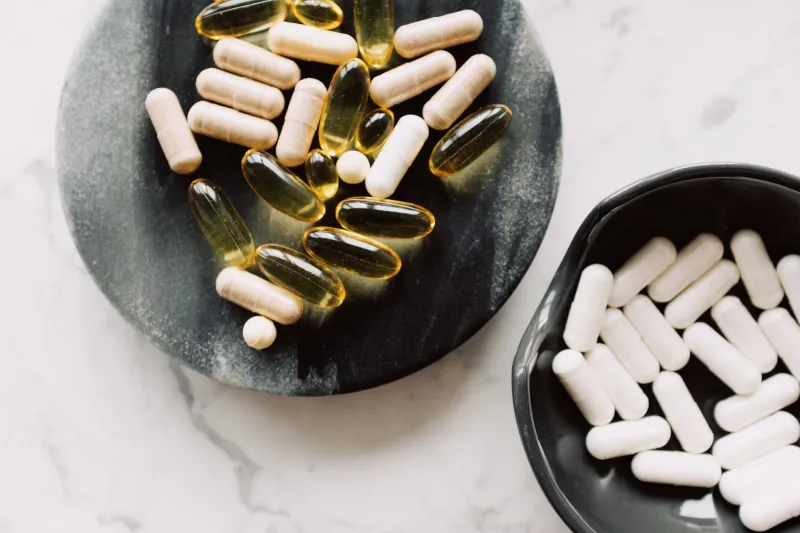
Similarly, products marketed as "liver cleanses" or "liver flushes" often contain ingredients like milk thistle, dandelion root, or artichoke extract. Milk thistle (silymarin) has the most studied profile of these, with some evidence suggesting modest benefits for individuals with specific liver diseases. For people with healthy liver function, however, the evidence does not support the claim that these supplements meaningfully improve organ performance.
The Hidden Risks of Cleanse Culture
Beyond ineffectiveness, some detox approaches carry genuine risks. Prolonged juice cleanses can cause blood sugar instability, particularly concerning for individuals with diabetes or prediabetes. Very low-calorie liquid programs may trigger muscle loss and electrolyte imbalances. Herbal supplement combinations marketed for liver support have, in documented cases, paradoxically caused drug-induced liver injury—a serious irony for products claiming to protect that organ.
There is also a psychological dimension worth acknowledging. The detox framing encourages a cycle of perceived contamination followed by purification rituals, a pattern that can reinforce an unhealthy relationship with food. Registered dietitians frequently note that extreme restriction phases tend to be followed by periods of overconsumption, undermining the health goals people are genuinely trying to achieve.
What Actually Supports Liver and Kidney Health
The good news is that evidence-based strategies for supporting your body's elimination systems are neither expensive nor complicated. They are, in fact, the same foundational habits that support overall health.
Limit alcohol consumption. Alcohol is one of the most well-documented sources of liver stress. The liver metabolizes ethanol as a priority, which can interfere with other metabolic functions. The CDC defines heavy drinking as more than 14 drinks per week for men and more than 7 per week for women. Reducing intake has measurable, direct benefits for liver tissue.
Stay adequately hydrated. The kidneys depend on sufficient fluid intake to filter waste efficiently and prevent the concentration of substances that can form kidney stones. For most adults, plain water remains the most effective and evidence-supported choice.
Eat a diet rich in fiber and plant foods. Cruciferous vegetables such as broccoli, Brussels sprouts, and cauliflower contain compounds that support phase two liver detoxification pathways. Fiber feeds beneficial gut bacteria and aids in the elimination of bile acids, reducing the liver's workload in cholesterol recycling.
Exercise regularly. Physical activity reduces liver fat accumulation, a growing concern given the rising prevalence of nonalcoholic fatty liver disease (NAFLD) in the United States. Even moderate-intensity exercise performed consistently has been shown to improve liver enzyme profiles.
Maintain a healthy body weight. Excess body fat, particularly visceral fat surrounding the abdominal organs, is a primary driver of fatty liver disease. Weight management through sustainable dietary and activity habits is among the most impactful things a person can do for long-term liver health.
Review medications and supplements carefully. Many over-the-counter medications, including acetaminophen, can be toxic to the liver in excessive doses. Discussing your supplement stack with a healthcare provider is worthwhile, as some combinations carry interaction risks that are underappreciated by consumers.
A More Useful Frame for "Cleansing"
If the appeal of a detox program is really about resetting eating habits, cutting back on alcohol, or breaking a pattern of processed food consumption, those are legitimate and worthwhile goals. The issue is not the impulse toward healthier behavior—it is the misattribution of those benefits to a product's detoxifying properties rather than to the behavioral change itself.
Your liver does not need a vacation, a juice fast, or a proprietary supplement blend to do its job. It needs you to reduce the unnecessary burdens placed on it and to provide the raw materials—adequate nutrition, hydration, sleep, and movement—that allow it to continue performing the work it was designed to do. That approach is less marketable than a 10-day cleanse kit, but it is the one the evidence actually supports.