Swallowing Collagen Won't Save Your Skin: What the Science Actually Reveals
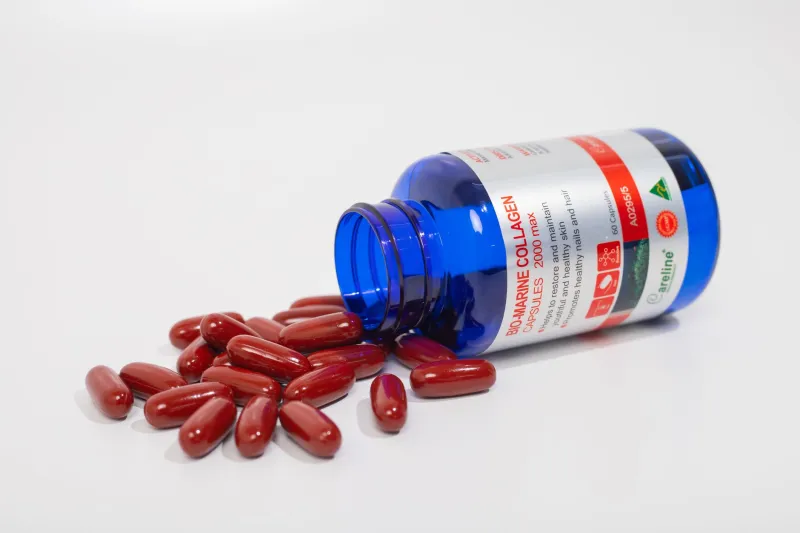
Walk through any pharmacy, scroll through a wellness influencer's feed, or glance at the shelves of a high-end grocery store, and collagen is everywhere. It appears in powders, capsules, gummies, ready-to-drink beverages, and even coffee creamers. The marketing language is consistent and confident: restore elasticity, reduce wrinkles, rebuild joints, reverse the visible signs of aging. The price tags are equally consistent — and rarely modest.
Before investing in a three-month supply, it is worth asking a straightforward question: does any of this actually work the way the labels imply?
The honest answer is considerably more complicated than the packaging suggests.
What Collagen Is and Why the Body Makes Its Own
Collagen is the most abundant structural protein in the human body. It forms the scaffolding of skin, tendons, ligaments, cartilage, and bone, providing tensile strength and the plump, resilient quality associated with youthful skin. The body manufactures collagen continuously through specialized cells called fibroblasts, which assemble it from amino acids — primarily glycine, proline, and hydroxyproline — obtained through dietary protein.
Production naturally declines with age, beginning gradually in the mid-twenties and accelerating after menopause in women. Sun exposure, smoking, chronic stress, and poor nutrition all hasten that decline. This biological reality is the legitimate foundation on which the supplement industry has constructed an enormous commercial structure.
The logical leap the industry asks consumers to make, however, is a significant one: that swallowing collagen will translate into more collagen in the skin.
The Digestive System Does Not Read Marketing Copy
Here is the fundamental problem with that premise. When you consume any protein — whether it arrives as a grilled chicken breast, a handful of almonds, or a premium collagen peptide powder — your digestive system dismantles it. Stomach acid and enzymes break proteins into their individual amino acid components. The small intestine then absorbs those amino acids into the bloodstream, where they become part of a general pool available to every tissue in the body.
Your body does not direct those amino acids specifically back to the skin. It allocates them according to its own priorities, which vary depending on current physiological demands. There is no biological mechanism by which ingested collagen bypasses this process and deposits itself preferentially in facial tissue.
Manufacturers of hydrolyzed collagen peptides — the most common form sold — argue that their products are broken into smaller fragments that the body absorbs differently. Some research does suggest that certain dipeptides and tripeptides from hydrolyzed collagen survive digestion in small quantities and may accumulate in skin tissue. This is a genuinely interesting finding. The critical question is whether those concentrations are sufficient to produce clinically meaningful results.
What the Clinical Evidence Actually Shows
The published research on collagen supplementation is not entirely absent, but it is far from the robust evidence base the industry implies. A 2019 systematic review published in the Journal of Drugs in Dermatology examined 11 randomized controlled trials involving oral collagen supplementation. The review found modest improvements in skin hydration and elasticity measures in several studies. However, the authors noted that most trials were small, short in duration, funded by supplement manufacturers, and lacked rigorous blinding protocols.
Industry-funded research is not automatically invalid, but financial conflicts of interest are a recognized source of bias in nutritional science. Independent, large-scale replication of these findings remains limited. The effect sizes reported — while statistically significant in some studies — are often clinically modest, meaning the real-world difference may be difficult to perceive.
Dermatologists and registered dietitians in the United States have been notably cautious. Major professional organizations have not issued recommendations endorsing collagen supplementation for skin health, precisely because the evidence does not yet meet the threshold for confident clinical guidance.
The Interventions That Actually Have Research Support
This is not a counsel of despair. Several approaches to supporting skin health and slowing visible aging do have meaningful scientific backing.
Vitamin C and dietary protein. Collagen synthesis requires adequate vitamin C as a cofactor — without it, the process stalls. Ensuring sufficient dietary intake through fruits and vegetables is both evidence-based and inexpensive. Equally important is consuming enough total protein, which provides the raw amino acids fibroblasts need to manufacture collagen in the first place.
Sun protection. Ultraviolet radiation is the single most well-documented external driver of premature skin aging. Daily broad-spectrum sunscreen use — SPF 30 or higher — has decades of evidence supporting its role in preventing collagen degradation. No supplement currently matches the protective effect of consistent sun protection.
Topical retinoids. Prescription tretinoin and over-the-counter retinol derivatives are among the most thoroughly studied topical interventions for skin aging. They work by stimulating fibroblast activity and promoting collagen synthesis within the dermis. The evidence base here is substantially stronger than for any oral supplement.
Smoking cessation. Tobacco smoke directly impairs collagen synthesis and accelerates skin aging through oxidative damage. Quitting smoking produces measurable improvements in skin appearance over time — a finding supported by multiple independent studies.
Adequate hydration and sleep. Both influence skin barrier function and cellular repair processes. Neither is glamorous, and neither can be bottled and sold at a premium, but the physiological evidence for their importance is solid.
A Word on Spending Priorities
For many American households, $40 to $80 per month on a collagen supplement represents a meaningful expenditure. That same budget, redirected toward a quality broad-spectrum sunscreen used daily, a diet rich in vitamin C and lean protein, and — if appropriate — a dermatologist consultation about topical retinoids, would almost certainly produce more measurable benefit.
The supplement industry is not obligated to prove its products work before selling them. The Food and Drug Administration does not evaluate dietary supplements for efficacy prior to market entry. That regulatory reality places the burden of skepticism squarely on the consumer.
The Bottom Line
Collagen supplements are not dangerous for most people, and the amino acids they provide are genuinely useful building blocks. The problem is not the product itself — it is the gap between what the marketing promises and what the physiology supports. Digestion is indifferent to branding.
If you are concerned about skin aging, the most evidence-supported path runs through dermatology, sun protection, nutrition, and lifestyle — not through a morning scoop of peptide powder. Real health guidance means following the evidence wherever it leads, even when that destination is less photogenic than a sleek supplement canister.